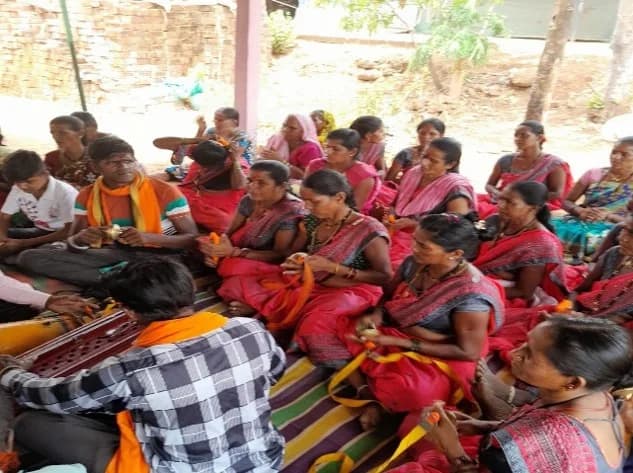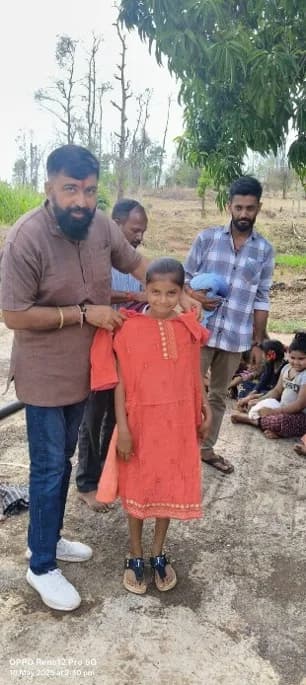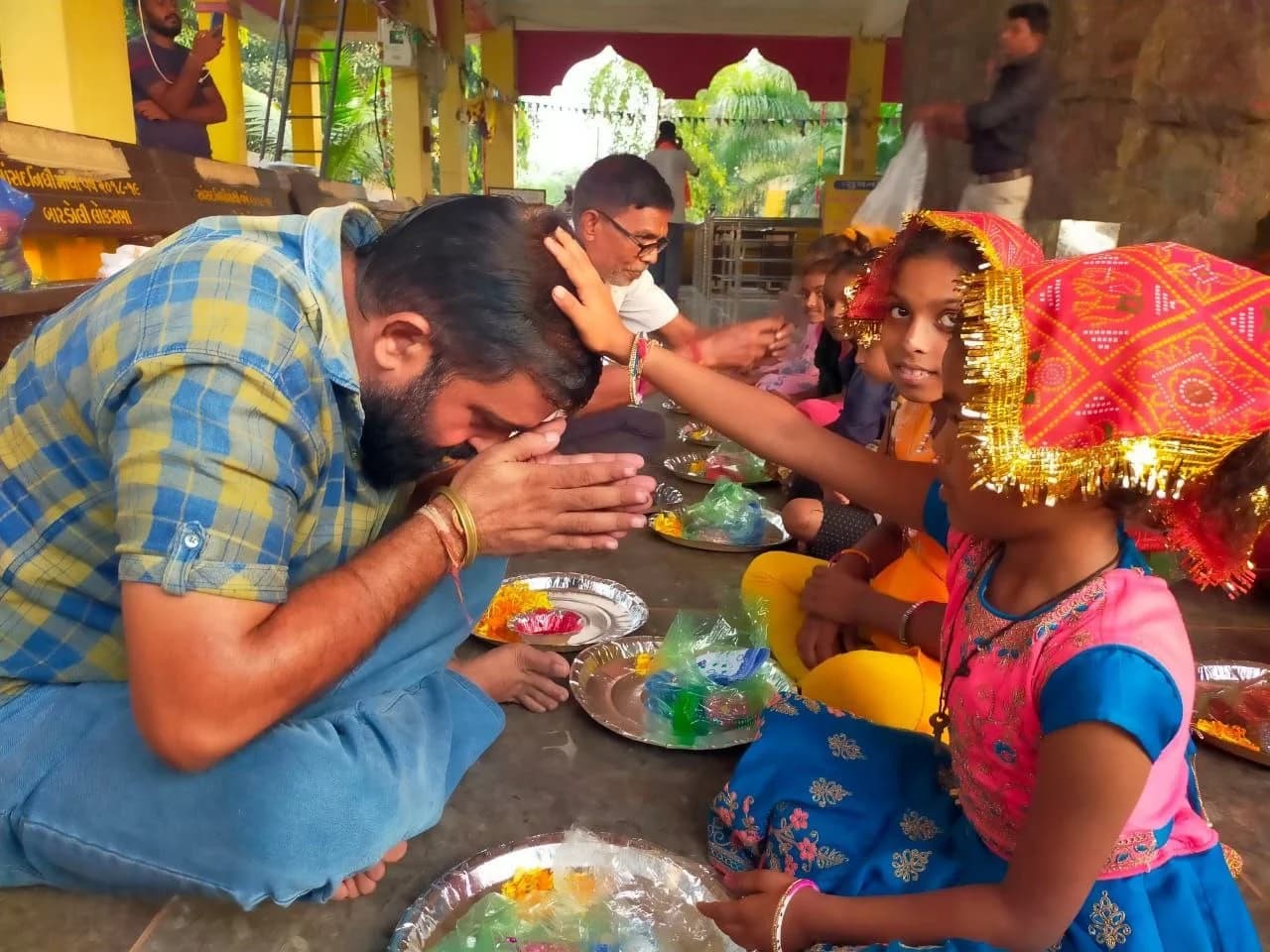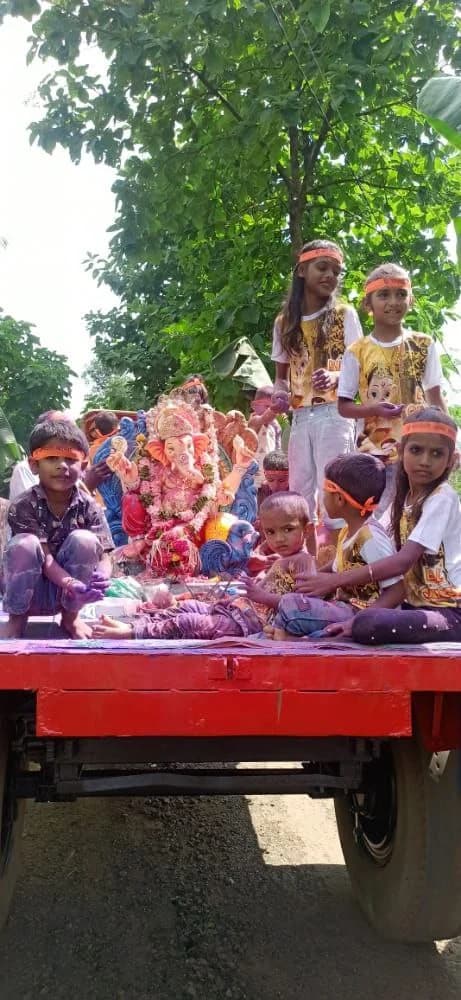
Utter poverty, hunger and helplessness, societal apathy and neglect plagued the tribal region of Tapi in Gujarat. Two modest meals a day were luxury for most of the Hindu tribal people of the region. Schools, colleges and education were not even in the dreams of these families — struggling to make ends meet. Celebrating festivals was unheard of, with no lamps, feasts and festivities. Marriages were solemnised with the exchange of a packet of biscuits.
Marriages once solemnised with a packet of biscuits became Vedic Samuh Vivahs — sacred mantras, havan, and Kanya Maan restoring dignity to tribal daughters.
Adding to these woes were the sinister motives and tactics of cunning conversion agents. They ridiculed Sanatan traditions, twisting them into something vile. Kanyadaan, they mocked, was nothing but the "donation" of a daughter, proof — according to them — of Hinduism's disrespect for women. They jeered that Vedic Gods could not even provide food at weddings, that Sanatan Dharma was empty rituals, involving only fire which destroys everything, with no compassion. This evangelist venom found fertile ground in the disgruntled and frustrated hearts and minds of the tribal Hindus, who fell for the vile missionary conversion tactic dressed as concern.
“In those moments, the tribals of Tapi did not just witness weddings; they witnessed the revival of faith, self-respect, and cultural pride.”
This vicious attack on Sanatan Dharma was met with a thunderous reply by Janswabhiman Welfare Society. Organising Vedic Samuh Vivahs for tribal daughters across different villages, they brought back not only tradition but pride. The ceremonies echoed with sacred mantras, blazing havan fires, sindoor, mangalsutra, kanyadaan, and mangal pheras — every ritual infused with meaning, dignity, and grace. Afterward, grand feasts fed hundreds, proving that Sanatan Dharma does not abandon its children. Kanyadaan was revealed for its true essence — Kanya Maan, an act of honouring daughters as embodiments of Laxmi, entering their homes to be loved, respected, and cherished. In those moments, the tribals of Tapi did not just witness weddings; they witnessed the revival of faith, self-respect, and cultural pride.