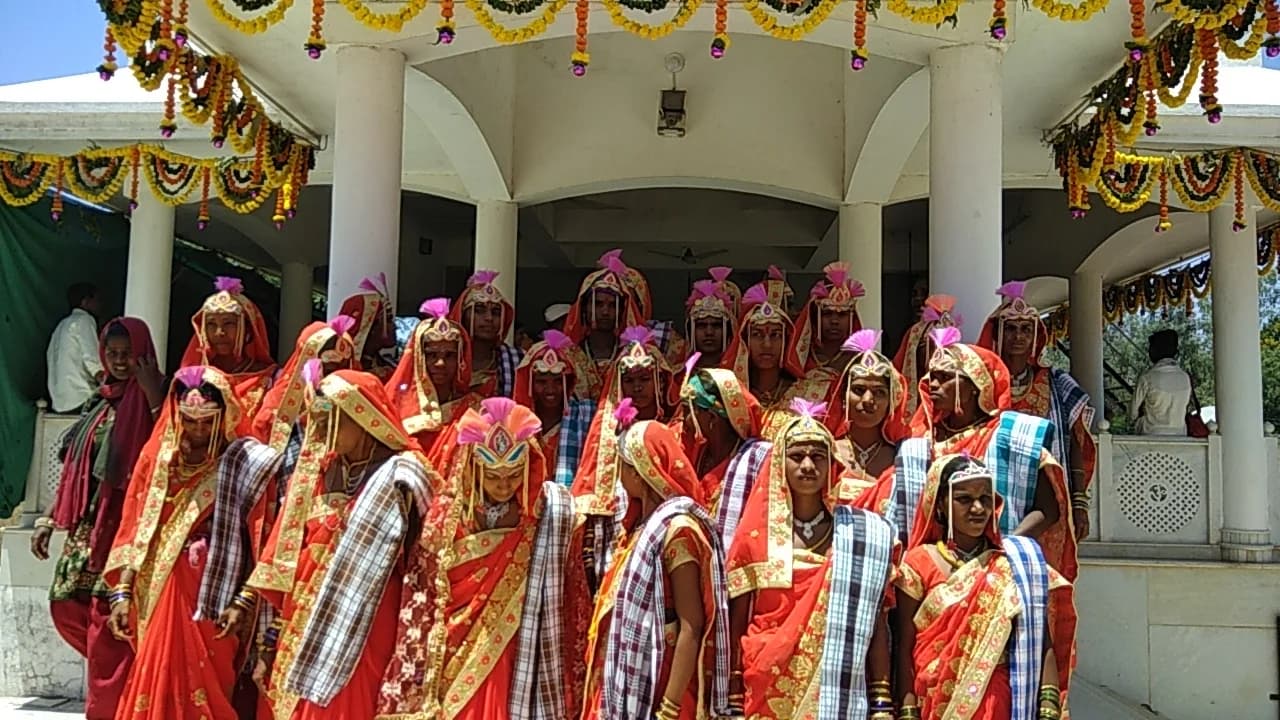
The densely forested tribal areas of Gujarat and Maharashtra were under the cruel clutches of abject poverty and neglect for decades. For many tribal families, two whole meals a day were as distant a dream as education, health and dignity. In these forgotten lands, festivals were hardly celebrated, as temples lay bare and deserted, lamps were never lit and air was never reverberating with laughter and happiness. The ancestral Sanatan faith, which flowed as a mighty river, faded away into oblivion. Into this vacuum stepped conversion agents — clever, calculating, and predatory. Cloaked in the language of "social justice," they poisoned innocent tribal minds with the lie that Sanatan Dharma itself was their oppressor. They twisted sacred concepts, mocked revered traditions, and claimed that discrimination and suffering were inherent to Vedic life. Offering money and food, the missionaries converted these innocent tribals into a foreign faith, leading them towards a rootless existence.
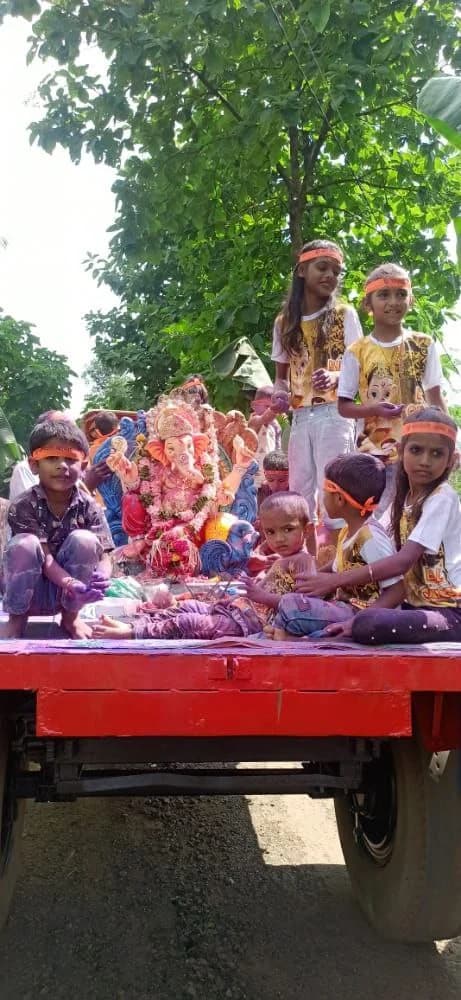
Through Dharma Jagran Yajnas and Mahaprasad, Jan Swabhiman revived faith, pride, and a shared cultural heartbeat — village after village.
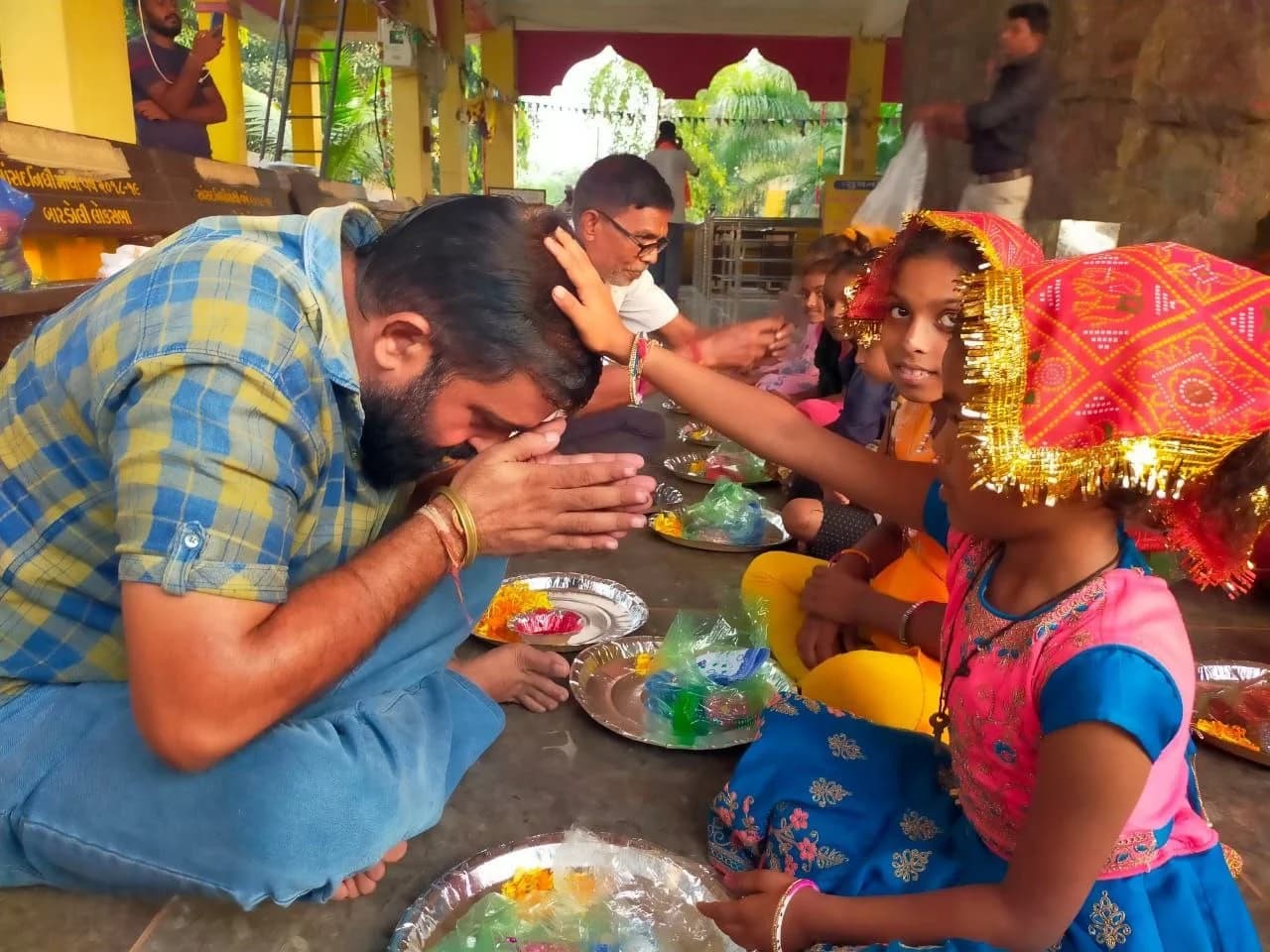
In such a scenario, Janswabhiman Welfare Society rose as a silent protector — not with anger or hatred, but with unwavering resolve to restore the glory and pride towards Sanatan Dharma, which once resided firmly in the hearts, minds and lives of the tribals of Gujarat and Maharashtra. Week after week, village after village, every hamlet and settlement was brought back from the conversion clutches with Dharma Jagran Yajnas and Mahaprasad. In every bhajan sandhya and kirtan sabha, men, women and children gathered, not only to sing and chant but to heal and re-connect with their ancestral faith. Eventually, Hallelujah was abandoned and Jai Shri Ram was brought back.
What conversion agents sought to erase, Jan Swabhiman revived — faith, pride, and a shared cultural heartbeat. For the impoverished tribal families of Gujarat and Maharashtra, Dharma Jagran has become more than worship — it is the reclamation of identity, hope, and self-respect.
“Eventually, Hallelujah was abandoned and Jai Shri Ram was brought back.”
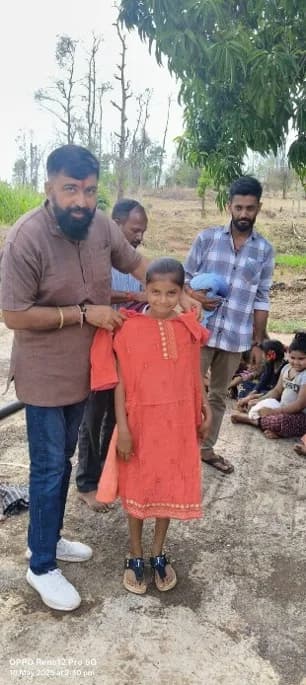
They whispered to the tribals that their Vedic gods were deaf to their cries, powerless to ease their hunger, blind to their poverty. They mocked the daily pujas offered in humble mud homes, sneering that Sanatan Dharma had given them nothing but discrimination and despair. But against this tide of deceit, Jan Swabhiman Welfare Society rose with quiet determination. They did not come with bribes or empty assurances — they came with love, service, and devotion. Through Dharma Jagran Yajnas, they rekindled the sacred fire of belonging in forgotten villages. Weekly bhajan and kirtan gatherings transformed silent evenings into living streams of song and spirit. And at the end of every yajna came the most powerful answer to propaganda — a Mahaprasad meal, shared by all without distinction, offered as blessings from the divinities themselves. Jan Swabhiman restored not just faith among the tribals, but dignity, unity, and the unbreakable spirit of being Sanatani.